
· JOINT LONGEVITY ·EVERYDAY MOVEMENT
How to Protect
Your Joints
Healthy joints support the quiet architecture of everyday life—from rising and reaching to walking, training and rest. Thoughtful strength, sensible load management and timely recovery can help preserve comfortable, confident mobility over time.
0 1 / S T R E N G T H
Build support
Condition the muscles that guide and stabilize each joint.
0 2 / L O A D
Respect capacity
Progress gradually and match intensity to current ability.
0 3 / M O T I O N
Move often
Choose regular, comfortable motion over long periods of stillness.
0 4 / R E C O V E R Y
Restore well
Balance effort with sleep, nutrition and strategic rest.
0 1 / D A I L Y P R O T E C T I V E H A B I T S
Care is built into the way you move.
Joint protection is rarely one dramatic intervention. It is the accumulation of well-scaled choices: how you strengthen, how you sit, how quickly you increase training, and how consistently you recover.
0 1 / D A I L Y P R O T E C T I V E H A B I T S
Care is built into the way you move.
Joint protection is rarely one dramatic intervention. It is the accumulation of well-scaled choices: how you strengthen, how you sit, how quickly you increase training, and how consistently you recover.
Strengthen with low impact
01 / 04
02 / 04
Manage everyday load
Design your posture
03 / 04
04 / 04
Hydrate and recover
Use walking, cycling, swimming or controlled resistance work to build the muscles around major joints. Begin at a manageable level and increase volume gradually, especially after inactivity or injury.
Strengthen with low impact
01 / 04
For weight-bearing joints, body weight, task repetition and technique all affect cumulative load. Sustainable weight management and better movement mechanics can reduce unnecessary stress without promoting fear of movement.
02 / 04
Alternate positions, bring frequently used objects within easy reach and use supportive seating or work surfaces. The most helpful posture is often the next comfortable posture—not one rigid position held all day.
Hydration supports normal whole-body function, while sleep and recovery help tissues adapt to training. Neither replaces appropriate medical care, but both belong in a coherent movement routine.
Manage everyday load
Design your posture
03 / 04
04 / 04
Hydrate and recover
Focus
Building connections

Recovery
Quiet stretching ·
natural light
Recovery
Quiet stretching ·
natural light
Nutrition
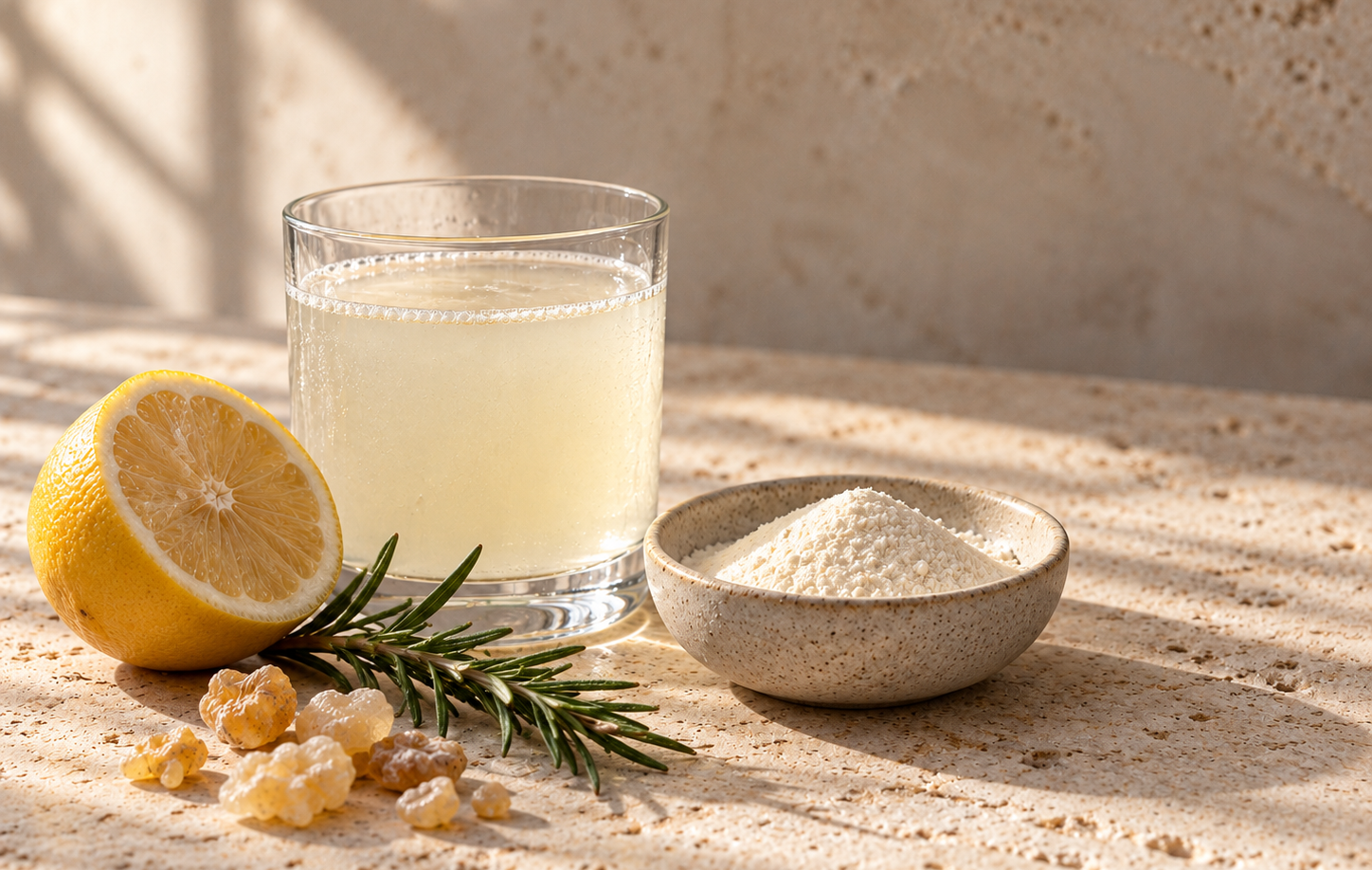
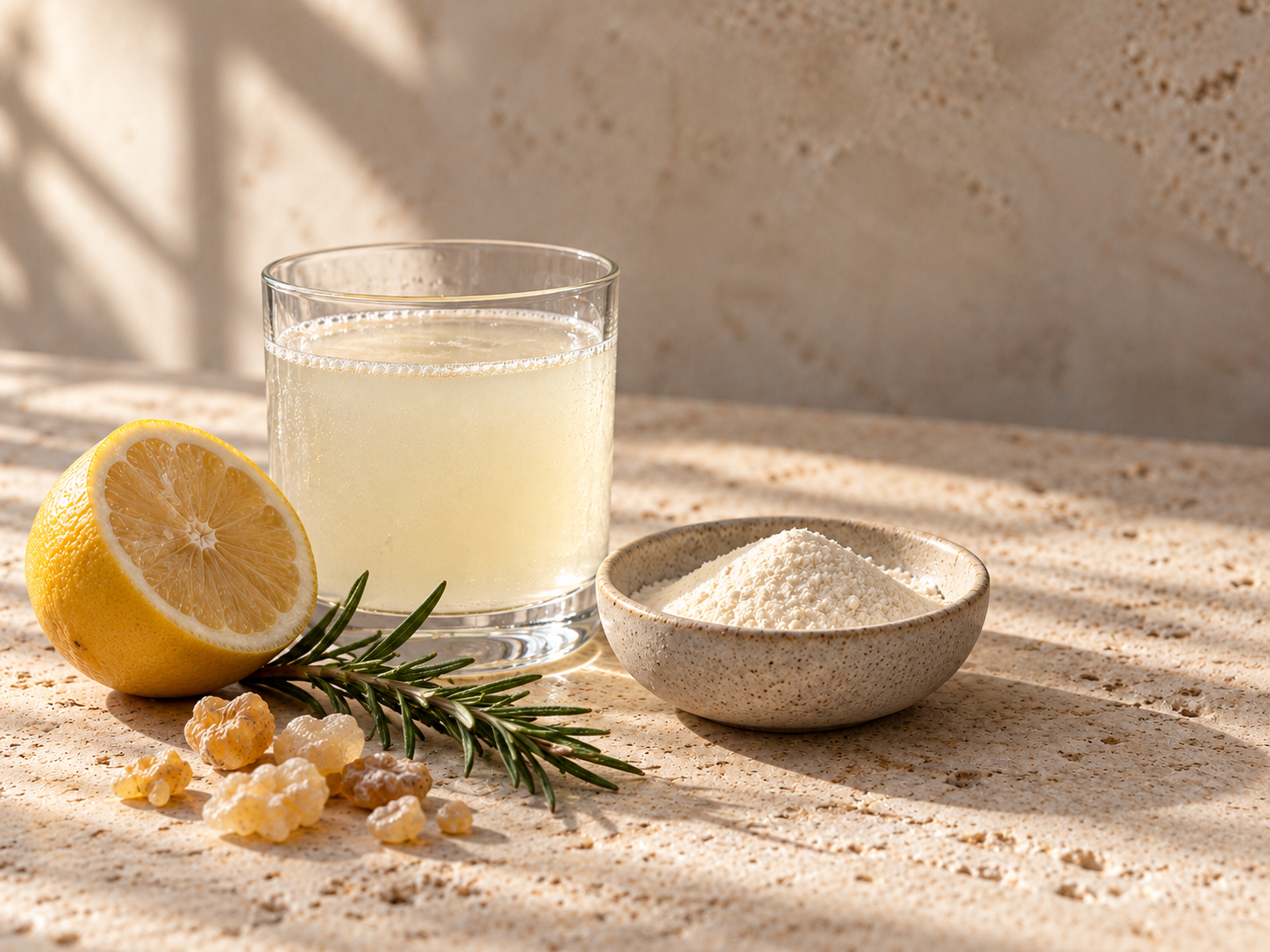
Apothecary still life · collagen ritual
Nutrition
Apothecary still life · collagen ritual
Movement Study
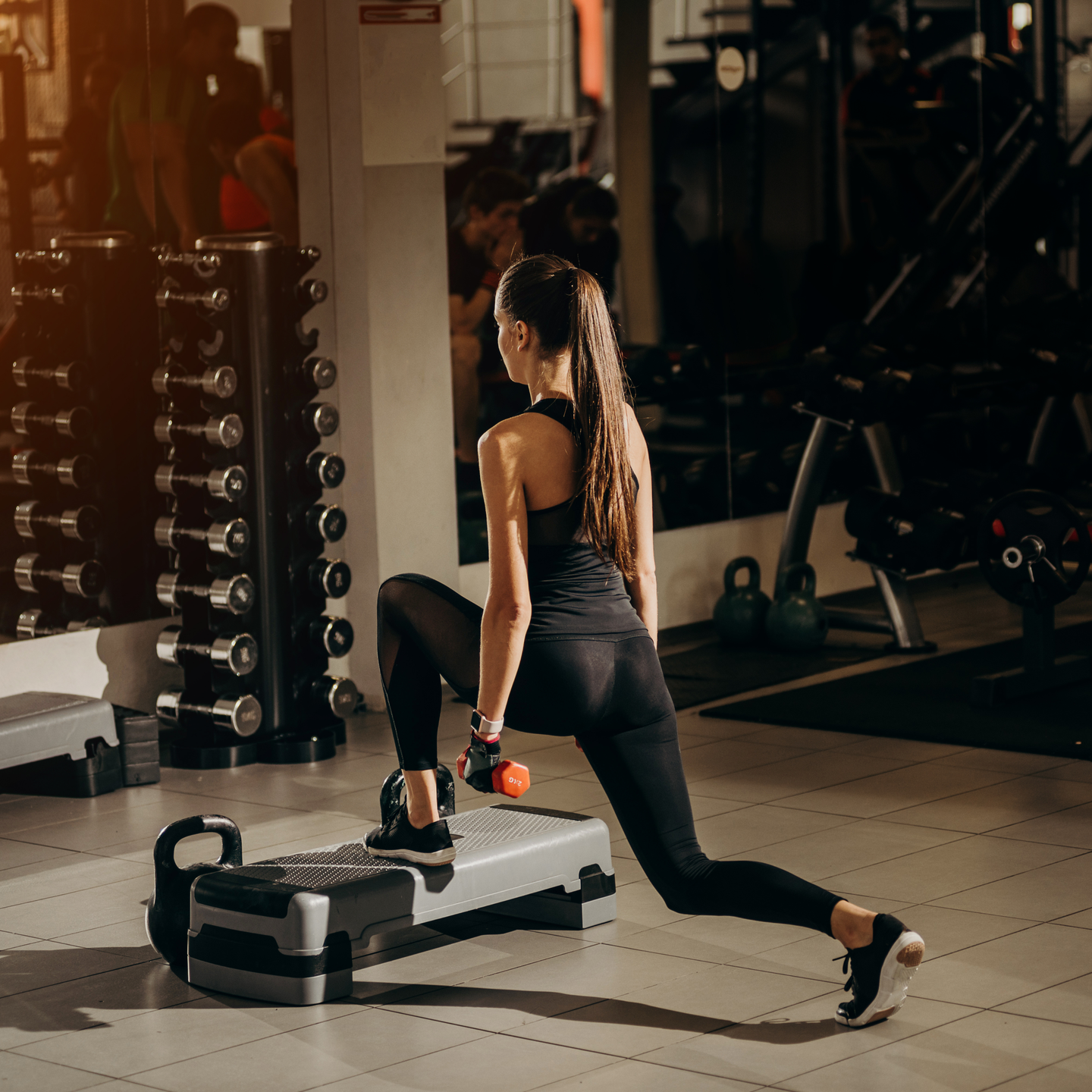
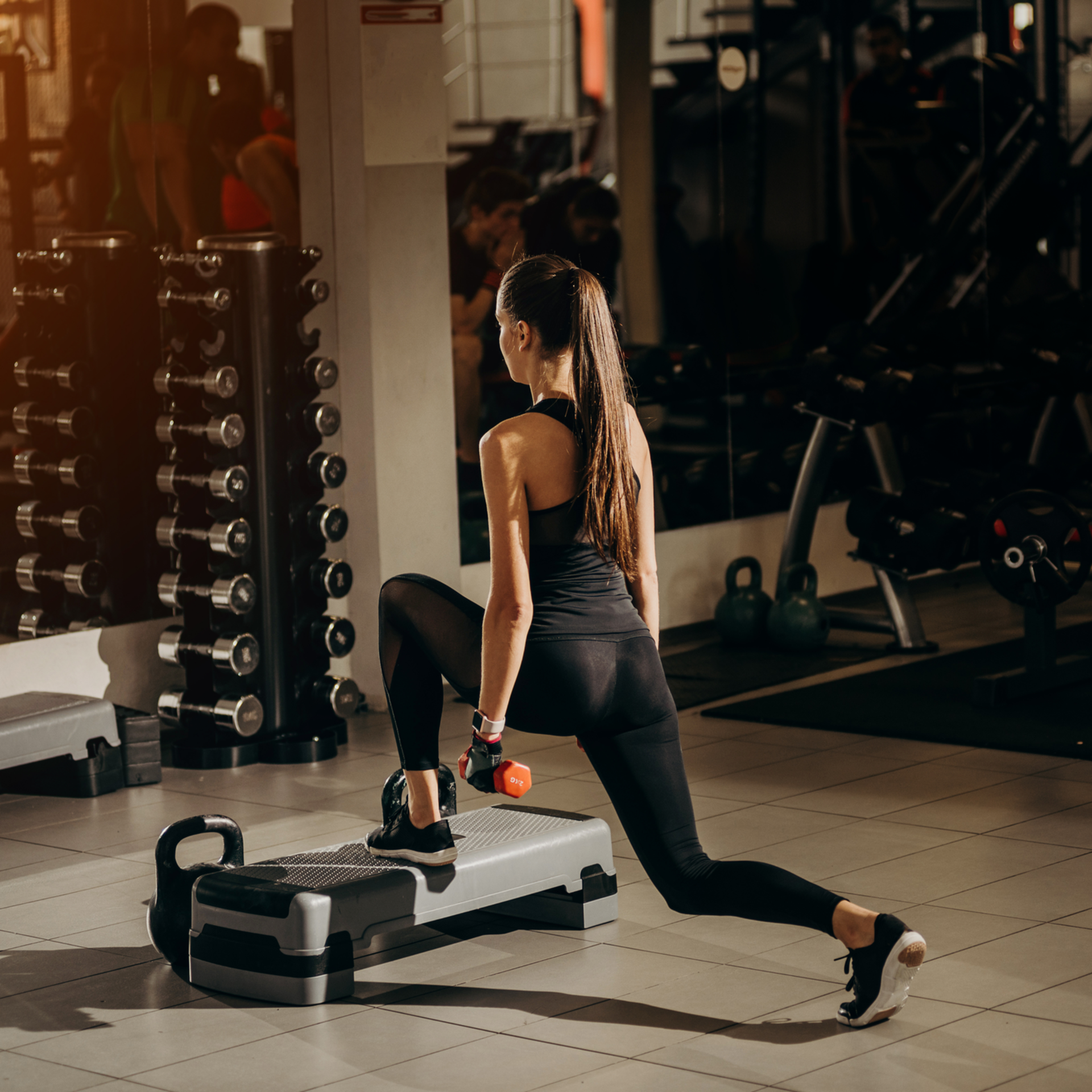
Controlled squat or coastal walk · authentic joint tension
Movement Study
Controlled squat or coastal walk · authentic joint tension

Movement Study
Nutrition
Apothecary still life · collagen ritual
Controlled squat or coastal walk · authentic joint tension
Recovery
Quiet stretching ·
natural light
0 2 / E V I D E N C E - A W A R E S U P P O R T
Precision before promises.
Supplements should be considered by their specific ingredient, dose and evidence—not by category name alone. Use the guide below as a conversation starter with a qualified healthcare professional.
0 2 / E V I D E N C E - A W A R E S U P P O R T
Precision before promises.
Supplements should be considered by their specific ingredient, dose and evidence—not by category name alone. Use the guide below to start a conversation with a qualified healthcare professional.
Repetition without preparation
High-impact or repetitive loading without adequate conditioning can outpace tissue capacity. Build exposure gradually.
0 1
Sudden over-exertion
Abrupt spikes in distance, weight or intensity are harder to adapt to than measured progression.
Poorly matched footwear
Choose stable, comfortable footwear appropriate to the activity, and replace it when the support is significantly worn.
0 3
Ignoring persistent signals
Ongoing swelling, warmth, redness, locking, instability, traumatic injury or inability to bear weight deserves professional evaluation.
0 4
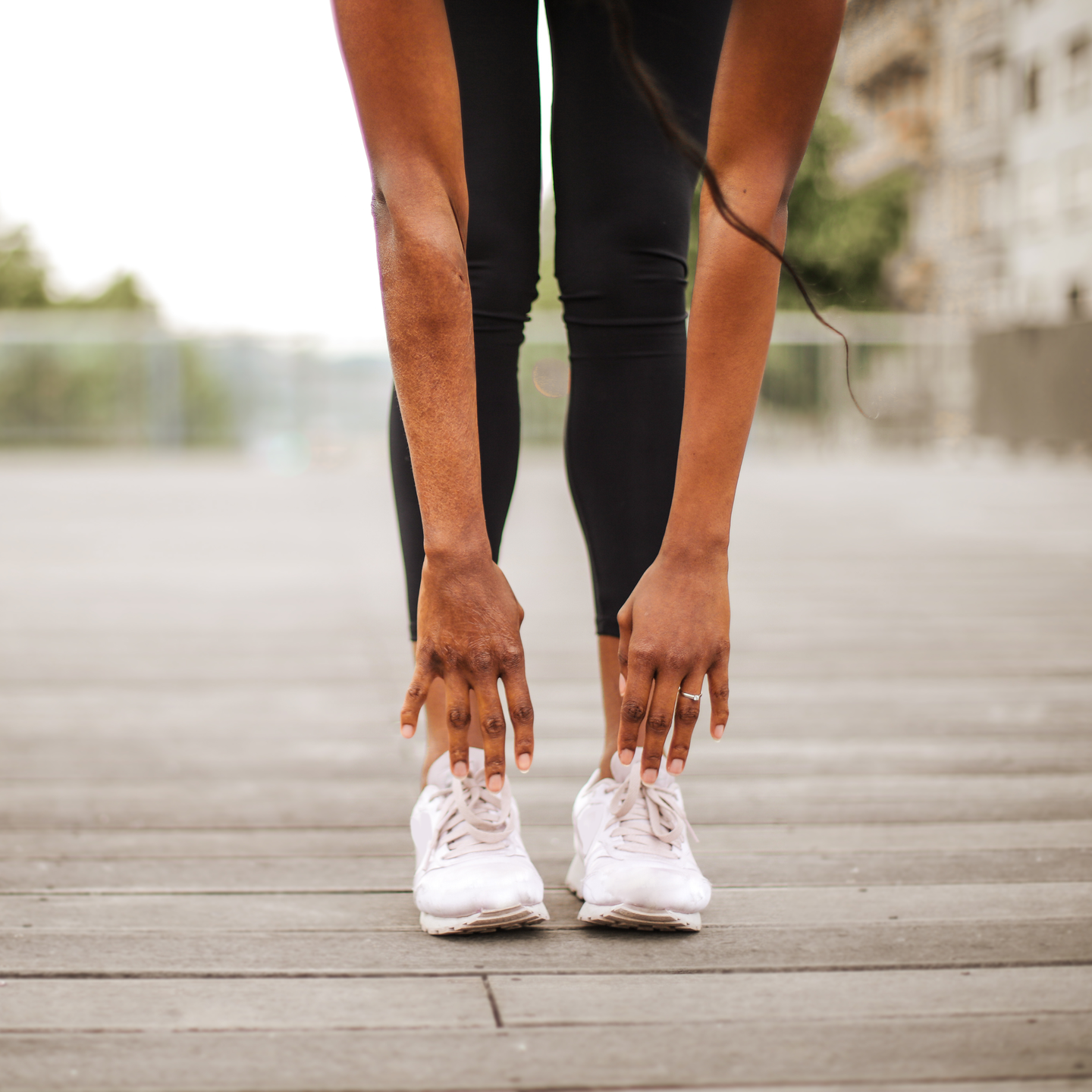
Protect the rhythm. Avoid the extremes.
0 3 / W H A T T O A V O I D
0 2
Repetition without preparation
High-impact or repetitive loading without adequate conditioning can outpace tissue capacity. Build exposure gradually.
0 1
0 2
0 3
0 4
Sudden over-exertion
Abrupt spikes in distance, weight or intensity are harder to adapt to than measured progression.
Poorly matched footwear
Choose stable, comfortable footwear appropriate to the activity, and replace it when the support is significantly worn.
Ignoring persistent signals
Ongoing swelling, warmth, redness, locking, instability, traumatic injury or inability to bear weight deserves professional evaluation.
Protect the rhythm. Avoid the extremes.
0 3 / W H A T T O A V O I D
“Longevity is not stillness. It is the freedom to keep moving—with strength, attention and intelligent care.”
Support the body you live in today while preserving options for tomorrow. Begin with one habit you can repeat, then let consistency do its quiet work.
T H E N U M O T I O N P E R S P E C T I V E